
Are Toner Cartridges Reusable?
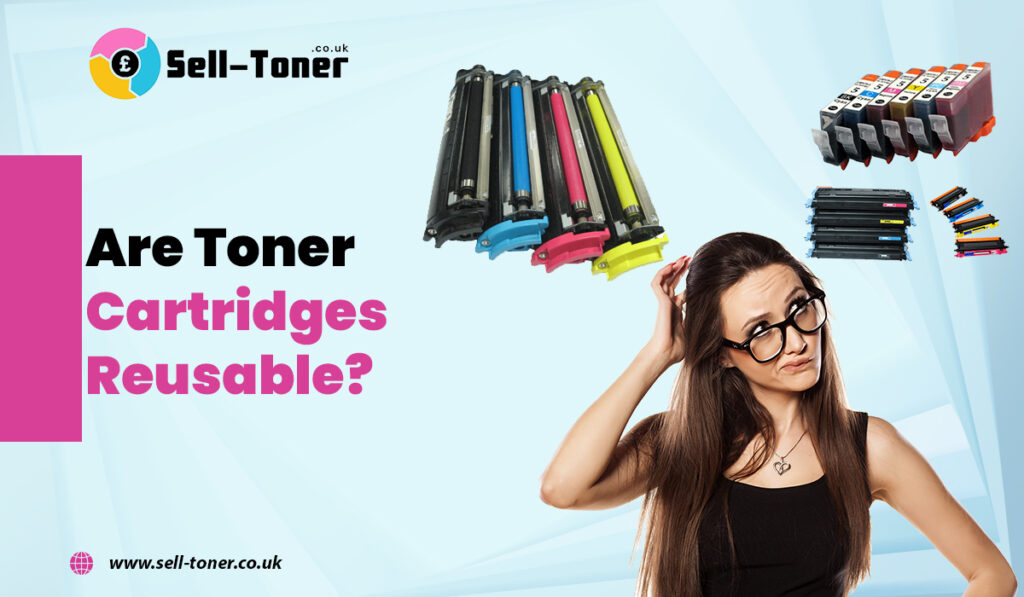
As the importance of environmental sustainability grows, more and more individuals and businesses are seeking eco-friendly Reusable printing solutions for various aspects of their lives. One area where significant progress has been made is in printer toner recycling and the adoption of sustainable printing supplies. Toner cartridges, used in laser printers and photocopiers, can be a major source of waste if not handled responsibly. In this article, we will explore the benefits of recycling and refilling toner cartridges, as well as the steps involved in these processes, and how they contribute to reducing the environmental impact of printing. We will also answer the question “Are Toner Cartridges Reusable?” Are Toner Cartridges Reusable? Yes, Toner cartridges are reusable and they can be reused in a variety of fashions such as through recycling and they can also be refilled which is the major factor in the reusability of toner cartridges. Reusability Of Toner Cartridges There are an array of Eco-friendly toner options. These toner cartridges are generally reusable, but it depends on the type of cartridge. There are two main types Original equipment manufacturer (OEM) cartridges Remanufactured cartridges OEM cartridges, which are brand new and produced by the printer manufacturer, are typically not designed for Toner cartridge refilling or reuse. On the other hand, remanufactured cartridges are cartridges that have been used, collected, cleaned, and refilled with new toner to be used again. So, while OEM cartridges are not intended for reuse, remanufactured cartridges are specifically designed for multiple cycles of use. Recycling, on the other hand, involves the proper Toner cartridge disposal and processing of used toner cartridges to recover valuable materials and reduce environmental impact. Even though OEM cartridges are not meant to be refilled and reused, they can still be recycled through appropriate channels. Components Of Toner Cartridges Toner cartridges are containers used in laser printers and photocopiers to hold and dispense toner, a dry, powdery ink-like substance. They are crucial components that play a significant role in the Environmentally friendly printing process. The main components of a toner cartridge include: Toner The toner is a fine powder composed of pigment, resin, and other additives. When heated, it adheres to the paper during the printing process. Drum Unit Drum Unit The drum unit is an essential part of the cartridge responsible for transferring the toner onto the paper. It is coated with a photosensitive material that gets charged by a laser or LED, creating an electrostatic image for the toner to adhere to. Developer Roller The developer roller is responsible for dispensing toner onto the drum. It ensures an even distribution of toner for high-quality printing. Waste Toner Hopper As toner cartridges are used, a certain amount of waste toner accumulates. The waste toner hopper collects and stores this excess toner. Pros Of Recycling Ink And Toner Cartridges Recycling ink and toner cartridges offer several important benefits for the environment and sustainability: Conservation Of Resources Recycling cartridges allows the recovery of valuable materials like plastic, metal, and toner. By reusing these materials, we reduce the need for virgin resources, conserving energy and raw materials. Waste Reduction Discarding used cartridges in landfills can contribute to environmental pollution. Recycling helps divert this waste from landfills and incinerators, reducing the overall burden on the environment. Energy Savings Recycling cartridges consumes less energy than producing new ones from scratch. This leads to a decrease in greenhouse gas emissions associated with manufacturing processes. Economic Benefits Recycling creates job opportunities in the recycling industry and can contribute to the economy. Cons Of Improper Disposal Of Ink And Toner Cartridges Improper disposal of ink and toner cartridges can have significant environmental consequences: Landfill Pollution Landfill pollution Cartridges that end up in landfills contribute to waste buildup, taking up valuable space and potentially leaching harmful chemicals into the soil and groundwater. Air Pollution Incinerating cartridges can release toxic emissions into the air, contributing to air pollution and potentially harmful health effects. Resource Depletion Improperly discarded cartridges mean that valuable resources are not recovered and reused, leading to more extensive extraction of raw materials. Ecosystem Harm The environmental impact of improper cartridge disposal can harm wildlife and ecosystems, affecting biodiversity and ecological balance. Steps Involved In Ink Cartridges Recycling The recycling process for ink cartridges typically involves the following steps: Collection Used ink cartridges are collected from various sources, such as drop-off locations, recycling centers, or mail-in programs. Sorting Collected cartridges are sorted based on their type, brand, and condition. This step ensures that the right cartridges go through the appropriate recycling process. Disassembly Cartridges are disassembled, and any remaining ink or toner is drained. Some cartridges might require cleaning to remove residue. Material Recovery The components of the cartridges, such as plastics, metals, and toner, are separated for recycling. Plastics can be melted and used to create new products, while metals are processed and reused. Toner Recycling Toner powder can be recycled and used in various applications, including in road construction, to reduce waste and environmental impact. Steps Involved In Ink Cartridges Remanufacturing Cartridge remanufacturing involves the process of reusing and refurbishing used cartridges. The steps typically include: Collection Used cartridges are collected from various sources, and those suitable for remanufacturing are identified. Inspection Cartridges are thoroughly inspected to assess their condition. Damaged or worn-out components are replaced. Cleaning Cartridges are cleaned to remove any remaining ink or toner, ensuring that the printing quality is not compromised. Refilling The cartridges are refilled with new toner or ink, and any necessary repairs are performed. Testing Remanufactured cartridges undergo rigorous testing to ensure they meet quality standards and perform as expected. Packaging Once the cartridges pass the quality tests, they are repackaged and made ready for sale or distribution. How One Can Recycle Ink And Toner Cartridges Check Local Recycling Programs Many communities offer specific recycling programs for printer cartridges. Check with your local recycling center or municipality for drop-off locations or curbside collection options. Manufacturer Take-Back Programs Some printer manufacturers have their own cartridge recycling programs. Check their websites or product packaging for information on
What Is Cartridge Failure?
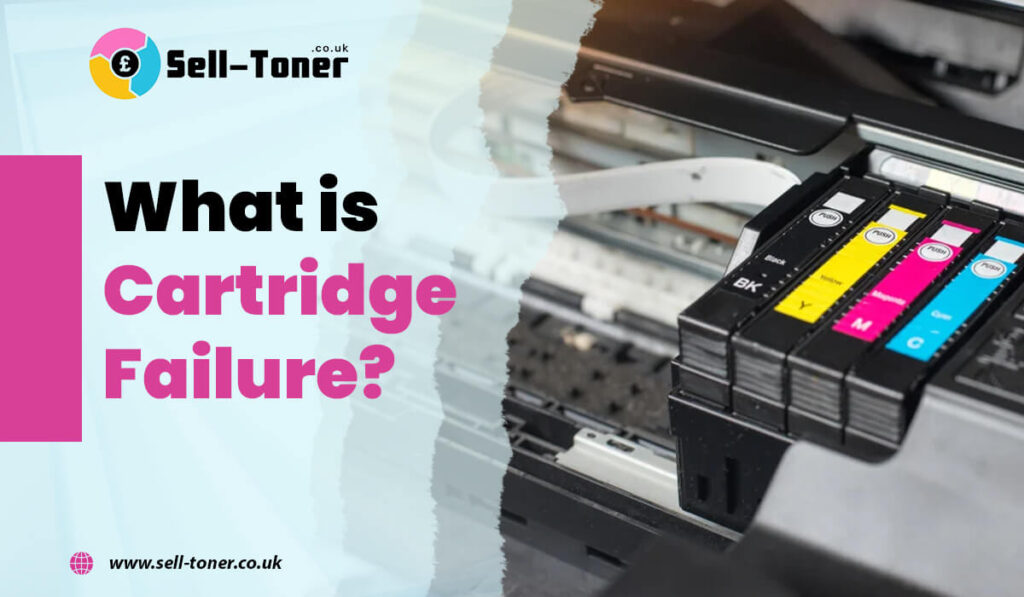
In the realm of modern printing technology, the smooth operation of printers heavily relies on the functionality of printer cartridges. These small yet essential components are susceptible to various issues that can significantly impact printing performance. One common question that users often want answered is “what is cartridge failure.” This article delves into the intricacies of cartridge failure, and its impact on printing performance, and provides step-by-step solutions to tackle the associated error messages and issues. Overview of the Topics Covered This article covers a comprehensive array of topics related to cartridge failure and associated error messages. It will explain the concept of cartridge failure, detail common symptoms, and causes, and provide in-depth troubleshooting steps for addressing various cartridge-related error messages. Additionally, the article will address specific error messages such as “HP incompatible print cartridge,” “Missing or Damaged Cartridges,” and warnings about low ink levels. This article especially covers cartridge failure which pertains to situations where printer cartridges, which house essential ink or toner supplies, encounter defects or problems that hinder their optimal functioning. These failures can result from issues such as leakage, improper installation, outdated cartridges, or incompatible components, leading to disruptions in the printing process. What Is Cartridge Failure And How It Impact On Printing Performance Cartridge failure refers to the Printer cartridge malfunction, defect, or deterioration of printer cartridges, which can hinder their ability to function correctly. These issues manifest in a multitude of ways, ranging from error messages on the printer’s display to poor print quality and incomplete print jobs. Cartridge failure can significantly hamper printing performance, leading to a waste of resources, time, and frustration for users. Now the question arises what is the significance of addressing ink cartridge issues promptly? Thus the answer is simple. Timely resolution of cartridge not working issues is paramount to maintaining an efficient and effective printing process. Ignoring or delaying the troubleshooting of cartridge problems can exacerbate the issues, potentially causing more damage to the printer and leading to a larger financial burden due to wasted materials and repairs. Common Symptoms of Cartridge Failure Cartridge failure manifests through several telltale signs. These include error messages displayed on the printer screen, inconsistent print quality with streaks or faded areas, and even incomplete print jobs where portions of the document are left unprinted. Reasons To Common “Cartridge Problem” Issues Non-Original Ink Error: Use only original cartridges from reputable manufacturers to prevent this error. Depleted Ink Cartridge: Replace the depleted cartridge with a new one to continue printing. Incompatible Cartridge: Double-check cartridge compatibility with your printer model before purchase. Ink Cartridge Failure: If a cartridge is genuinely faulty, replacing it might be the only solution. Potential Causes of Cartridge Failure Cartridge failure can stem from various factors, including the age of the cartridge, excessive usage, improper handling, exposure to extreme temperatures, and using cartridges beyond their recommended expiration date. 1. Manufacturing Defects: Cartridges are complex products with intricate components. Manufacturing defects in the cartridge itself, such as faulty chips or nozzles, can lead to malfunctioning. These defects can affect ink flow, recognition by the printer, and overall performance. 2. Improper Handling and Storage: Ink cartridges are sensitive to environmental conditions like temperature and humidity. Incorrect handling or storage can damage the cartridge, causing leaks or clogs in the print head. It’s crucial to follow manufacturer guidelines for proper storage and installation. 3. Ink Quality and Compatibility: Using low-quality or incompatible ink can lead to cartridge failure. The formulation of ink varies among manufacturers, and using non-certified or third-party inks might cause issues like clogs, poor print quality, or even damage to the printer. 4. Overuse or Underuse: Both overusing and underusing ink cartridges can cause problems. Overusing a cartridge until it’s completely empty might lead to air getting into the print head, causing clogs. On the other hand, underusing cartridges for extended periods can cause ink to dry up and clog the nozzles. 5. Firmware or Software Updates: Sometimes, firmware updates pushed by printer manufacturers can lead to compatibility issues with cartridges. The printer might not recognize the cartridge after an update, resulting in error messages and printing problems. 6. Wear and Tear: Cartridges have a limited lifespan, and wear and tear over time can lead to failure. This includes normal degradation of components like the print head, chip, or ink reservoir. Repeated insertion and removal can also contribute to cartridge wear. 7. Refilled Cartridges and Quality Control: Refilled cartridges can save money, but the quality control in the refilling process varies. Poorly refilled cartridges might have leaking ink, improper seals, or incorrect ink levels, leading to malfunctioning and potential damage to the printer. 8. Electrical Contact Issues: Cartridges communicate with the printer through electrical contacts. If these contacts become dirty, corroded, or misaligned, the printer might not recognize the cartridge correctly, causing errors and failures. 9. Print Settings and Maintenance: Incorrect print settings, such as using the wrong paper type, can put unnecessary strain on the cartridge and lead to failure. Regular printer maintenance, such as cleaning the print head and aligning cartridges, is crucial to prevent issues. 10. Environmental Factors: Extreme conditions like temperature fluctuations or exposure to direct sunlight can impact cartridge performance. Environmental factors can lead to ink drying out, causing clogs and other printing problems. How to Clear the “Cartridge Problem” Message While the “Cartridge Problem” message can appear across various printer brands, it’s particularly associated with models from HP, Canon, and Epson. Encountering a “Cartridge Problem” message can be frustrating, but there are steps you can take to resolve it. Let’s delve into a step-by-step guide to troubleshoot cartridge-related error messages effectively. Inspect Cartridge Installation: Ensure cartridges are properly installed and securely seated in their designated slots. Check for Protective Seals: Remove any protective seals or tapes from the cartridge before installation. Restart Printer: Turn off the printer, unplug it, wait for a few minutes, and then restart it. Update Printer Firmware: Check the printer manufacturer’s website for firmware updates that could resolve compatibility issues. Use Genuine Cartridges: Ensure you’re using genuine, manufacturer-recommended cartridges to
Why is Toner Cheaper Than Ink?
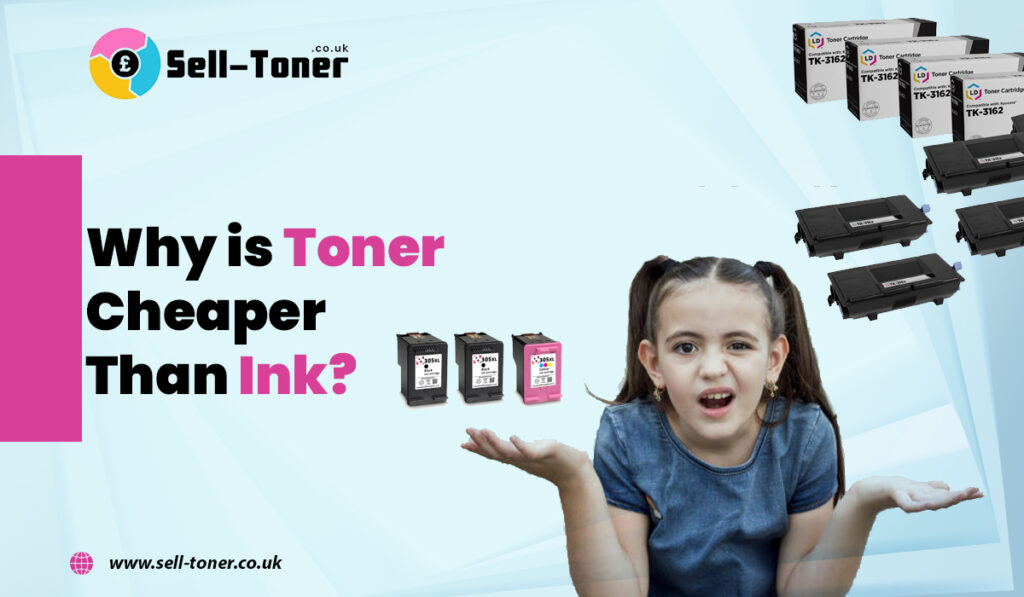
You might have been working with toners and ink and may have wondered ” Why is toner cheaper than ink?”. Well, we are here to answer that query but lets get started with the basics first. Toner cartridges are consumable components used in laser printers and photocopiers to produce printed text and images on paper. They contain a fine powder known as toner, which consists of colored pigments and plastic particles. The purpose of toner cartridges is to provide the necessary toner for the printing process. When a document is sent to be printed, the laser printer’s drum is charged with static electricity, and the toner particles adhere to the charged areas, forming the desired image or text. The toner is then transferred onto the paper and fused to it using heat, resulting in a permanent printout. Toner cartridges need replacement when the toner is depleted or when print quality starts to degrade. How Toner Works In Laser Printer Toner is a fine powder used in laser printers and photocopiers to create printed text and images on paper. The process of how toner works can be summarized in the following steps: Charging Imaging Drum* The laser printer’s imaging drum is charged with static electricity, which creates an electrostatic image of the content to be printed. This image is formed by selectively discharging areas of the drum corresponding to the text or graphics on the document. Developing As the drum rotates, the charged areas attract the toner particles from the toner cartridge. The toner is negatively charged, and the drum’s positively charged areas attract the toner particles, resulting in the formation of the toner image on the drum’s surface. Transferring The paper is given a positive charge to attract the negatively charged toner particles from the drum, effectively transferring the image from the drum onto the paper. Fusing After the toner is transferred onto the paper, it passes through a heated fuser unit. The fuser uses heat and pressure to melt the toner particles, bonding them permanently to the paper. This process ensures that the printed text and images are smudge-resistant and durable. Cleaning Once the toner is transferred, any residual toner on the drum’s surface is cleaned off to prepare it for the next printing cycle. A cleaning blade or roller removes the excess toner and keeps the drum clean for future prints. Hence this electrostatic process of charging, developing, transferring, and fusing the toner enables laser printers to produce high-quality text and graphics quickly and efficiently. The result is sharp, crisp, and long-lasting prints, making laser printers popular choices for offices, businesses, and high-volume printing environments. Difference Between Ink Cartridges And Toner Cartridges Ink cartridges and toner cartridges are both essential components of printing devices, but they differ in their printing technology, usage, and applications: Printing Technology Ink cartridges are used in inkjet printers. They contain liquid ink that is sprayed onto the paper in tiny droplets through small nozzles. The ink is absorbed by the paper, resulting in vibrant color prints and detailed images. They contain fine powder called toner, which is made up of colored pigments and plastic particles. The toner is applied to the paper using static electricity and heat, resulting in sharp, smudge-resistant prints. Printing Quality Inkjet printers are generally better at producing high-quality photo prints and intricate color graphics due to the liquid ink’s ability to blend colors smoothly. Toner Laser printers are more efficient at producing text documents and high-volume printing with sharp, crisp text and graphics. While they can produce decent photo prints, they may not match the photo quality of inkjet prints. Printing Speed Toner printers are faster, making them suitable for high-volume printing needs in offices and businesses. Cost Inkjet printers tend to have a lower upfront cost, but the cost of ink per page is generally higher, especially for color printing. Toner Cartridges Laser printer toner costs often have a higher upfront , but the cost per page is lower, especially for monochrome (black and white) printing. Usage Ink pricing differences directly assist in usage too. Well, Inkjet printers are commonly used for home printing, photo printing, and small-scale printing needs. Laser printers are widely used in offices, businesses, and environments requiring high-speed, high-volume printing. Effectiveness Of Toner In Different Manners Printing Technology Toner cartridges are used in laser printers, which employ a different printing process compared to inkjet printers that use ink cartridges. Laser printers use a dry powder called toner, which is more Cost-effective printing options to produce than the liquid ink used in inkjet cartridges. Usage Laser toner printers are more efficient in terms of ink usage. They can print more pages per cartridge compared to inkjet printers, which helps reduce the cost per printed page. Printing Speed Laser toner printers can print documents at a much faster rate than inkjet printers, making them more suitable for high-volume printing. This increased efficiency contributes to lower overall costs. Manufacturing Process The production of toner cartridges is generally less complex than that of ink cartridges, leading to reduced manufacturing costs. Market Competition The laser printer market has more competition among manufacturers, leading to competitive pricing for toner cartridges. Comparing Ink And Toner With Aspects Of Speed, Quality, And Capacity Speed Toner cartridges offer faster printing compared to ink cartridges. In laser printers, toner is applied using a quick electrostatic process, allowing for high-speed printing. The laser beam scans the entire page in one pass, resulting in swift and efficient printing. On the other hand, inkjet printers apply liquid ink through a nozzle in multiple passes, leading to slower print speeds, especially for high-quality photo prints. Quality Print quality differences between toner and ink are notable. Toner Toner affordability advantages however are of the list. These toner cartridges, used in laser printers, excel in producing sharp and precise text with smooth lines. They are ideal for printing documents, business reports, and text-heavy materials with high clarity. In contrast, inkjet printers, using liquid ink, offer exceptional photo printing capabilities with rich color reproduction and
How Many Times Can You Refill a Toner Cartridge?
Toner cartridge refilling has become a popular practice among businesses and individuals alike. Not only does it offer significant cost savings, but it also promotes eco-friendly practices by reducing electronic waste. In this article, we’ll delve deep into the topic of how many times can you refill a toner cartridge and provide you with a comprehensive guide on the subject. How Many Times Can You Refill a Toner Cartridge? Refilling toner cartridges is not just about saving money; it’s also about understanding the intricacies of the cartridge itself. Understanding the Toner Cartridge A toner cartridge comprises several moving parts that function in tandem to produce high-quality prints. Over time, these components experience wear and tear, similar to a car engine. Regular maintenance can prolong the life of a cartridge, but like all things, they eventually reach their refillable toner cartridge lifespan. The Short Answer to Refill Frequency According to experts, a toner cartridge can typically be refilled between 2 and 4 times. However, with proper care and by replacing components like the imaging drum, it’s possible to extend this number. Pushing a cartridge beyond its toner cartridge refilling frequency can lead to diminished performance. Refilling is Great for the Environment Choosing to refill toner cartridges significantly reduces electronic waste. For instance, a business using 100 cartridges monthly would produce 1,200 cartridges worth of waste annually. By refilling each cartridge at least four times, this number drops to 300, showcasing the environmental benefits of toner cartridge replenishment. Refill Your Laser Printer Toner Cartridge: The Easy Way Refilling a toner cartridge might seem daunting, but with the right knowledge, it’s a breeze. Step 1: Anatomy of a Toner Cartridge A toner cartridge consists of various components, each playing a crucial role in the printing process. Understanding these parts is essential for a successful refill. Step 2: Get Some Toner When it comes to refilling, the quality of the toner matters. Ensure you source high-quality toner that’s compatible with your cartridge. Step 3: Make a Hole Creating a precise refill hole is crucial. This step ensures that the toner is filled without any spillage or contamination. Step 4: Empty the Hopper Before refilling, it’s essential to clear out any residual toner. Proper cleaning ensures optimal printing performance. Step 5: Pour in the Toner With everything in place, carefully pour in the new toner. Ensure you don’t overfill and always follow the manufacturer’s guidelines. Step 6: Reinserting the Cartridge Back in the Printer Once refilled, reassemble the cartridge and reinstall it in the printer. Proper reinstallation guarantees the best print quality. Sell-Toner.co.uk At Sell-Toner.co.uk, our mission goes beyond just providing toner solutions. We are staunch advocates for sustainable printing practices that not only benefit our customers’ wallets but also have a positive impact on the environment. You can sell toner or ink cartridges to us and contribute to a greener planet! By choosing to refill, you’re not just opting for a cost-effective alternative but also contributing to a significant reduction in electronic waste. Our team is dedicated to guiding you through the best practices in toner management, ensuring you get the best quality while staying green. So, whether you’re a business or an individual, let’s join hands in making a tangible difference, one cartridge at a time. Conclusion Refilling toner cartridges offers a plethora of benefits, from cost savings to environmental conservation. By understanding the toner cartridge recharging threshold and following the steps outlined, you can make the most of your cartridges. If you’re considering refilling, give it a try and experience the benefits firsthand! I hope this article answered your query of how many times can you refill a toner cartridge completely! Let us know below! FAQs Can any toner cartridge be refilled, or are some not suitable? While most toner cartridges can be refilled, the quality and durability of the cartridge after refilling can vary. It’s essential to understand the type of cartridge you have and whether it’s suitable for refilling. Are there risks associated with toner cartridge refilling? Yes, there are several risks. Refilled cartridges may not be as durable as new or remanufactured ones. The print quality can vary, sometimes requiring multiple prints to achieve acceptable quality. Additionally, a poorly refilled cartridge can leak and damage your printer. How can I tell when it’s time to replace a toner cartridge instead of refilling it? When the print quality deteriorates significantly, even after refilling, or if the cartridge shows signs of damage or excessive wear, it’s time to replace it. Can I refill my toner cartridge if it’s still under warranty? Refilling a toner cartridge may void its warranty. It’s essential to check the warranty terms before refilling. Are there professional services available for toner cartridge refilling? Yes, many professional services offer toner cartridge refilling. These services often provide a higher quality refill than DIY methods and may offer guarantees on their work.
Is Refilling Toner Cartridges Worth It?
Printers remain a vital tool in both the corporate and personal world. A pressing question that frequently comes up is, “Is it good to refill toner?” This question is more than just about saving a few bucks; it touches upon broader issues such as environmental conservation and sustainable usage. To answer this, we delve deep into the benefits of toner refilling and its drawbacks. Understanding both sides will help you make an informed decision, considering the potential cost-saving and environmental benefits of toner refilling. Toner cartridge refilling advantages Toner refilling is not just about saving money; it’s about optimizing your printing experience. Let’s delve into its benefits. Cost Savings Refilling your toner can be a step towards achieving toner cartridge cost-effectiveness. Generally, refilling is more economical than buying new cartridges, offering substantial savings. Moreover, it promotes toner cartridge longevity through refilling, ensuring that you get the most out of your cartridge. Environmental Impact Eco-friendly toner refilling benefits are substantial. By opting to refill, you contribute to reducing electronic waste, fostering a healthier environment. The toner refilling sustainability impact is indeed significant, making it a choice worth considering for the environmentally conscious individuals. Customization A lesser-known advantage is the customization that comes with refilled toner cartridges. You can tailor the cartridges to suit specific printing needs, including choosing different types of toner, which adds a layer of personalization to your printing tasks, showcasing the refilling toner cartridge’s benefits. Drawbacks of Toner Refilling Every coin has two sides, and toner refilling is no exception. Let’s explore some of its potential drawbacks. Quality Issues While there are many benefits of toner refilling, there are also potential drawbacks to consider. One of the main concerns is the quality of prints. Refilled cartridges might not offer the same print quality as new ones, leading to issues like streaks or fading. Complicated Process The process of refilling a toner cartridge can be complicated and requires careful handling. If not done correctly, there’s a risk of damaging the cartridge or even the printer. And there is also a specific limit as to how many times a toner cartridge can be refilled. Warranty Concerns Another concern is the potential voiding of the printer’s warranty. Some manufacturers might not recommend refilling, and doing so could void any existing warranty on the printer. Sell-Toner.co.uk: Your Trusted Partner in Toner Solutions Navigating the world of toner cartridges can be daunting, especially with the myriad of options available. That’s where Sell-Toner.co.uk steps in. As a leading provider of toner solutions in the UK, our website is dedicated to offering top-notch products and services tailored to your printing needs. Our commitment to quality, sustainability, and customer satisfaction sets us apart in the industry. With a user-friendly interface, expert insights, and a wide range of products, we aim to make your printing experience seamless and efficient. Trust Sell-Toner.co.uk to be your go-to destination for all things related to toner cartridges. You can sell toner cartridges and you can also sell unused ink cartridges for cash on our website if you have any surplus amount! Maintaining Print Quality: Toner Cartridge Care Tips Maintaining the quality of your prints is not just about the type of toner or cartridge you use, but also how you care for them. Whether you’re using original cartridges or have ventured into the realm of refilling toner cartridges, proper care can extend their life and ensure consistent print quality. Here are some essential tips to help you get the most out of your cartridges: 1. Proper Storage: Always store your cartridges in a cool, dry place away from direct sunlight. Excessive heat or cold can affect the toner’s consistency, leading to poor print quality. 2. Avoid Shaking: While it might be tempting to shake a cartridge when the toner seems to be running low, this can lead to uneven distribution of the toner and potential leaks. Instead, gently rock it side to side. 3. Clean the Cartridge Head: Over time, dust and debris can accumulate on the cartridge head. This can lead to streaky prints. Use a soft lint-free cloth to gently wipe the head, ensuring it’s clean and free of obstructions. 4. Handle with Care: When replacing or refilling a cartridge, handle it with care. Avoid touching the chip or the nozzle, as oils from your fingers can interfere with the printing process. 5. Use Quality Toner: If you’re refilling your cartridge, ensure you’re using high-quality toner. Low-quality toner can clog the cartridge head and result in subpar prints. 6. Regular Printer Maintenance: Your cartridge is just one component of your printer. Regularly cleaning and maintaining your printer can also help improve print quality. Check your printer’s manual for maintenance tips specific to your model. 7. Know When to Replace: While refilling is a cost-effective and eco-friendly option, cartridges can’t be refilled indefinitely. If you notice a consistent drop in print quality even after refilling, it might be time to replace the cartridge. By following these tips, you can ensure that both your original and refilled toner cartridges provide consistent, high-quality prints for a longer time. Remember, proper care and maintenance are key to toner cartridge longevity through refilling. Conclusion When asking the question, “Is it good to refill toner?”, it is evident that toner cartridge refilling offers a range of benefits, including cost savings and environmental advantages. However, it is equally important to consider the potential drawbacks to ensure you are making an informed decision. By weighing the toner refill vs new cartridges debate and understanding the toner cartridge longevity through refilling, you can determine the best approach for your individual or business printing needs. It is encouraged to carefully evaluate the pros and cons before settling on a choice. FAQ’s Will refilling toner cartridges affect the print quality? Refilling can affect print quality if not done correctly or if low-quality toner is used. However, with the right techniques and quality toner, many users find minimal difference between refilled and new cartridges. Is it possible to refill cartridges multiple times? Yes, cartridges can be refilled multiple times.
What are the 4 types of toner cartridges?
Toner cartridges play a pivotal role in modern printing technology. These powerhouses behind laser printers ensure that every document, photo, or graphic is printed with precision and clarity. But what are the 4 types of toner cartridges? This question often arises in the corporate offices and printing hubs. Understanding the classification of toner cartridges is crucial in making an informed decision that aligns with your specific printing requirements. This article will provide a detailed exploration of the four different types of toner cartridges, offering insights into their unique features, advantages, and disadvantages. 1. OEM Toner Cartridges: OEM cartridge is the first from the types of toner cartridges. Original Equipment Manufacturer Originating from the term “Original Equipment Manufacturer”, OEM cartridges are the gold standard in the printing world. Produced directly by the company that manufactured your printer or copier, these cartridges are tailored to fit your device’s specifications, ensuring both reliability and unparalleled quality. Pros of OEM Toners Precision Fit: Designed specifically for individual printer models, ensuring seamless integration. Consistent Quality: Undergo rigorous testing, ensuring every print is of the highest standard. Manufacturer Support: Often come with support and warranties directly from the printer manufacturer. Cons of OEM Toners Higher Cost: Their premium quality comes with a premium price tag. Environmental Concerns: OEM cartridges are often not recycled, leading to more waste and a lack of diverse toner cartridge options. 2. Newly Manufactured Compatible Toner Cartridges Emerging as a cost-effective alternative to OEM cartridges, these varieties of toner cartridge options are produced by third-party manufacturers. They are constructed using brand-new parts and are designed to be compatible with a variety of printer models. Pros of Newly Manufactured Compatible Toners Budget-Friendly: Often priced significantly lower than OEM cartridges. Broad Compatibility: Designed to work with multiple printer brands and models. Eco-Friendly Options: Some brands focus on sustainable manufacturing processes, adding to the various toner cartridge models available. Cons of Newly Manufactured Compatible Toners Variable Quality: With many brands in the market, quality can be inconsistent. Potential Printer Warranty Issues: Some printer manufacturers claim using non-OEM cartridges voids the warranty. 3. Remanufactured Toner Cartridges A sustainable choice, these cartridges are used OEM cartridges that have been refurbished. They undergo a thorough cleaning, inspection, and replacement of any worn-out parts before being refilled and resold. Pros of Remanufactured Toners Eco-Friendly: Reduces waste by reusing and recycling old cartridges. Cost-Effective: Priced lower than OEM cartridges while offering comparable quality. Supports Local Businesses: Many local businesses offer remanufacturing services. Cons of Remanufactured Toners Inconsistent Quality: The quality can vary based on the remanufacturer. Potential Compatibility Issues: Not all remanufactured cartridges fit perfectly with all printer models. 4. Drill and Fill Toner Cartridges The most basic and affordable option, these cartridges are used cartridges that are simply refilled with new toner without any refurbishment. Pros of Drill and Fill Toners Highly Affordable: The most cost-effective option available. Quick Solution: Ideal for immediate needs when on a tight budget. Cons of Drill and Fill Toners Lower Quality Prints: The print quality is often not on par with other cartridge types. Potential for Leaks: Without proper refurbishment, these cartridges are more prone to leaks and malfunctions. Choosing the Right Toner for Your Business Selecting the right toner cartridge is a decision that impacts both the quality of your prints and your overall printing costs. Factors such as budget, print volume, and desired print quality play a crucial role in this decision. By understanding the nuances of each cartridge type, businesses can make informed choices that align with their needs and values. Discover the Best with Sell-Toner.co.uk: Your Ultimate Toner Destination In the dynamic realm of printing solutions, Sell-Toner.co.uk emerges as a beacon of quality and reliability. As the UK’s premier toner supplier, we go beyond just offering products; we provide an experience. From the discerning professional seeking OEM excellence to the budget-conscious individual exploring sustainable remanufactured options, our diverse inventory caters to all. Our platform is designed to demystify the complexities of toner selection, guiding users to choices that resonate with their needs. With an emphasis on customer education, transparent product insights, and unwavering support, we at Sell-Toner.co.uk are redefining the way you perceive printing solutions. Dive in, explore, and let us be your trusted partner in every print. Conclusion In conclusion, we have successfully answered the central question: “What are the 4 types of toner cartridges?” Understanding what the 4 types of toner cartridges are is a stepping stone to making informed choices that align with your printing demands. From the premium quality of OEM cartridges to the cost-effectiveness of compatible and remanufactured options, each type serves a unique purpose. While drill and fill cartridges offer a quick and affordable solution, they might not always be the best choice for high-quality prints. As technology continues to evolve, so do the various toner cartridge models available to consumers. Remember, the right cartridge not only impacts the quality of your prints but also the longevity and performance of your printer. Choose wisely and always prioritize quality and compatibility. FAQ’s Are OEM toner cartridges always more expensive? Yes, OEM toner cartridges are typically more expensive than their compatible or remanufactured counterparts. This is because they are produced by the original printer manufacturer and are designed to meet strict quality and compatibility standards. Can using remanufactured toner cartridges damage my printer? While remanufactured toner cartridges are designed to be compatible with specific printers, the quality can vary based on the remanufacturer. If not properly refurbished, there’s a slight risk of printer damage. However, when purchased from a reputable supplier, remanufactured cartridges are generally safe and reliable. It’s always advisable to check reviews and ensure the supplier offers a guarantee. What’s the main difference between compatible and remanufactured toners? Compatible toners are brand-new cartridges made by third-party manufacturers, designed to be compatible with specific printer models but not produced by the original printer manufacturer. Remanufactured toners, on the other hand, are used OEM cartridges that have been cleaned, refilled, and refurbished for reuse. Both offer cost savings compared to OEM cartridges but may differ in terms of quality and environmental impact. How can I identify the right toner
Hello world!
Welcome to WordPress. This is your first post. Edit or delete it, then start writing!